
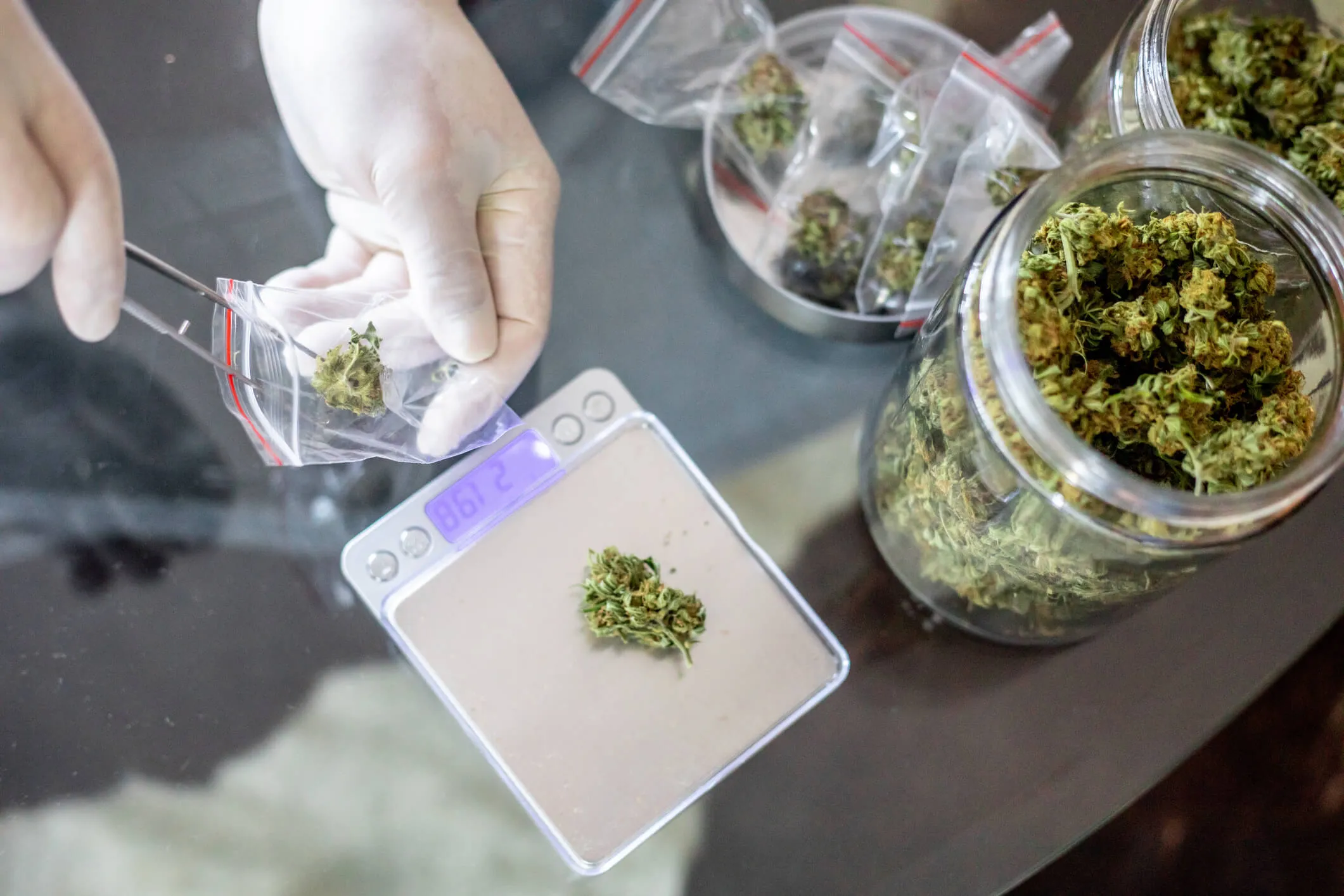
Medical Marijuana
The term “medical marijuana” refers to the use, possession and / or cultivation of medical marijuana. People who are terminally ill or have painful or long-term symptoms associated with certain illnesses, such as epilepsy, AIDS, glaucoma, and cancer, often ask for medical marijuana as form of treatment and/or pain relief.
Generally, medical marijuana, also known as medicinal cannabis, is no different from standard marijuana. Under the Federal Controlled Substances Act, marijuana is classified as a “Schedule I drug”, which means that it:
- has the potential for abuse
- has no medical use currently accepted in United States, and
- lack of safety in the use of the drug under medical supervision.
As such, there is a growing debate regarding the personal medical use of marijuana and its legality. On the one hand, some politicians and law enforcement officials want to combat the illegal use of marijuana drugs and control some of its effects, such as “Large-scale sale of medical marijuana.” On the other hand, some health advocates and other drug legalization groups would like to legalize the medical use of marijuana, believing that drugs are a great help in the treatment of a wide range of medical conditions.
Medical Marijuana Laws
The laws on medical marijuana are constantly changing and vary by geographic location. Federal and state laws criminalize the use, cultivation, sale or possession of marijuana. The Federal Supreme Court, for example, has declared it illegal to use, sell or possess marijuana, even for medical purposes (in the case of Gonzales v. Raich in 2005).
However, an increasing number of states have legalized the use and / or cultivation of marijuana for medical purposes; thereby removing any criminal sanction from doctors prescribing the drug or from patients who use it within the bounds set by state law. California was the first to legalize medical marijuana in 1996 when it passed Proposition 215, also called the Compassionate Use Act. The law allows the possession and cultivation of marijuana for medical purposes on the recommendation of a physician.
Other states that have legalized medical marijuana include: Alaska, Colorado, Connecticut, Hawaii, Maine, Massachusetts, Michigan, Montana, Nevada, New Jersey, New Mexico, Oregon, Rhode Island, Vermont, and Washington. These state laws generally set the limits under which medical marijuana can be recommended, grown, owned and used. For example, states may require written documentation from a person’s doctor stating that the person is suffering from a debilitating condition and could benefit from the medical use of marijuana. In addition, states can require people to present these documents, or “marijuana identity cards”, prior to arrest.
Other provisions may include limits on the type of conditions, such as HIV and AIDS, and the amount of marijuana a person can own, use or grow.
Finally, some states have other specific provisions, such as restrictions on employees on the medical use of marijuana at work and certain requirements and fees for ID cards.
Medical Marijuana Penalties
Sanctions for medical marijuana offenses can include prison terms, fines, or both, depending on the nature of the offense and the state where the incident occurred. In states that have not legalized medical use of marijuana, the charges are treated as general misdemeanor or felony drug charges.
In states that have decriminalized medical marijuana, prison or fine penalties may still apply, but the offenses are often treated as minor civil offenses.
For example, punishable circumstances may include:
- possession of a certain amount (in grams);
- The sale of the drug to others, especially to or from a “minor”;
- The cultivation of the drug in states where cultivation is not allowed; and
- Possession of marijuana paraphernalia.
- Defenses – Know Your Legal Rights
Patients who are arrested on drug charges can use their medical status as a defense, before or during the trial, to reduce the penalties. In addition, a patient can show a doctor’s recommendation for marijuana to reduce penalties and avoid prison terms or fines. Finally, a patient may wish to invoke the defense of medical necessity depending on the clinical nature of their state of health.
It is important to consult a lawyer specializing in medical marijuana cases to know your rights and responsibilities regarding the use and / or charges of medical marijuana.
The Collision Of Federal And State Laws — A Recent Update
There is generally a “tug of war” between the federal laws and state laws concerning medical marijuana. On the one hand, the federal government considers the cultivation, possession or use of marijuana for any purpose to be a crime. On the other hand, some states allow the use of marijuana for medical reasons. Generally, in cases where federal laws and state laws collide, federal law prevails, and users of state-authorized medical marijuana may still be arrested and/or prosecuted.
The U.S. government shifted its attention to larger drug trafficking issues when the Obama Administration took over in 2009, with the Department of Justice stating it would not prioritize the enforcement of federal marijuana laws on licensed users of medical marijuana or their caregivers. However, the DOJ continued to prosecute medical marijuana providers in 2011 and put pressure on publishers who advertise medical marijuana dispensaries.
Conclusion
Medical marijuana is a hotly debated issue that affects patients, health care providers, lawyers, and law enforcement officials alike. Because the laws on medical marijuana vary, it is important to check the specific laws for your particular state. Consulting a criminal or health care lawyer can also help you understand your rights and responsibilities regarding the use or possession of marijuana.