
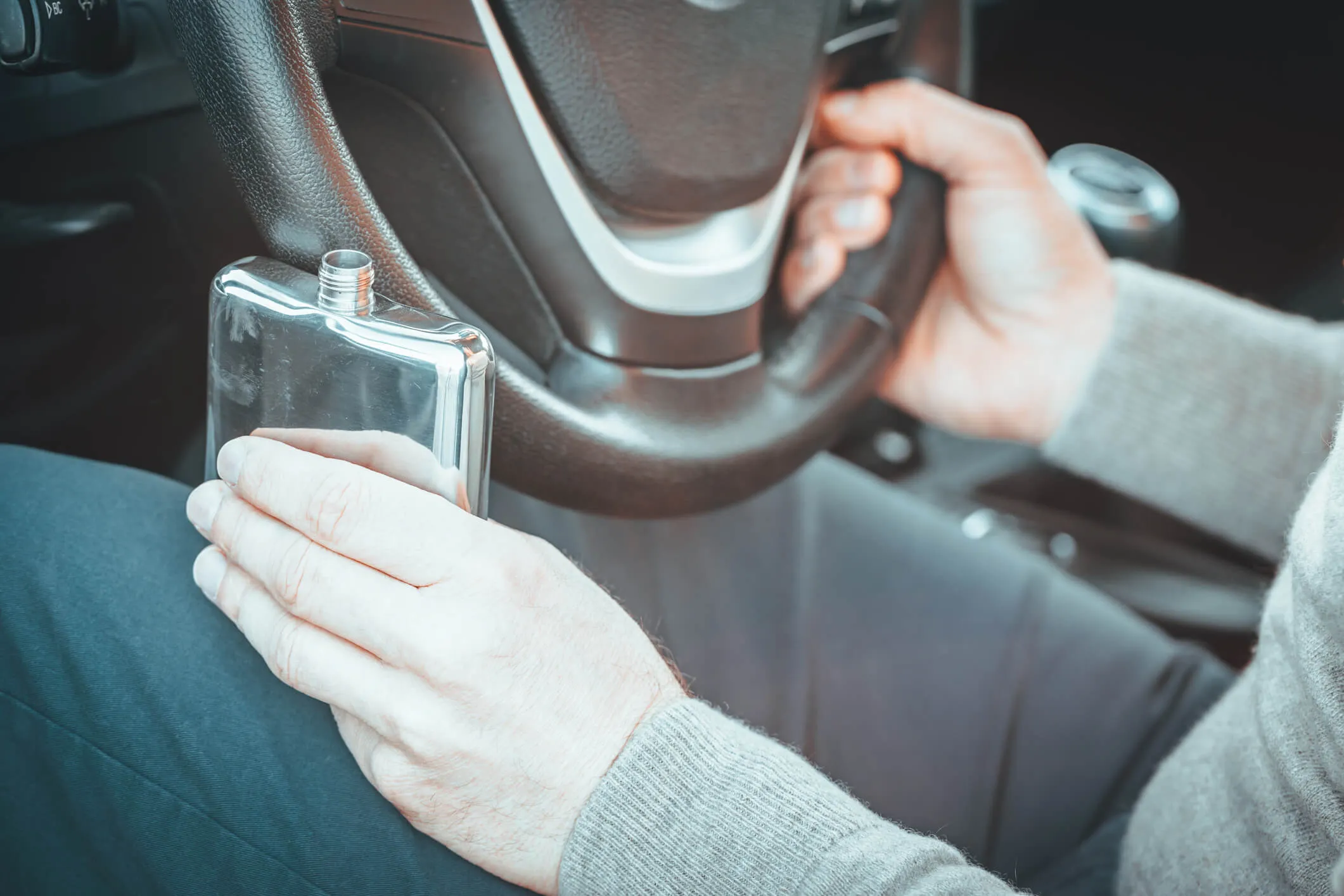
Open Container Law
Can you carry an alcoholic drink in a plastic beer mug while strolling the main street of your city? The answer depends on the open container laws in your state and your local community.
Open container laws serve a number of goals. More specifically, open container laws aim to:
Maintain the quality of life of community and business residents by preventing people from getting drunk in public, by preventing rowdy behavior. Prevent accidents to cars, buses, and other motor vehicles, prohibiting alcohol consumption by drivers and passengers.
Maintain federal highway construction fund subsidies for states. Under federal law, states without open container laws lose federal transportation subsidies. However, not all states or municipalities prohibit drinking and carrying alcohol in public places, such as sidewalks and city parks. For example, some notable tourist destinations, such as Las Vegas and New Orleans, do not have open container laws.
Open Container Laws: What Are They?
An open container law restricts where people can drink alcohol in public. Exactly what a public place is, depends on your state or city’s laws and how courts have interpreted those laws.
Depending on the particular laws and court rulings, violations of open container laws may occur when one drinks or possess an open container of alcohol while:
- On a public sidewalk
- Inside your parked car
- On the front steps or in the common hallway of your apartment building.
- On school property
- In a mobile home
- In a residential neighborhood
- In a parking lot
Open container laws are designed to protect communities by reducing injuries from drunk driving (DUI and DWI) and disorderly conduct.
Congress passed the Transportation Equity for the 21st Century Act (TEA-21) in 1998 to encourage states to restrict alcohol consumption in motor vehicles. States that fail to enact open container laws lose a portion of federal highway construction funds.
Open Container Law Exceptions
Currently, only seven (7) states do not have open container laws that would otherwise prohibit drinking alcoholic beverages in public.
New Orleans does not have strict open container laws, but it requires people who drink alcohol on sidewalks and streets to do so only in plastic cups. This Mardi Gras destination also prohibits the consumption of alcohol in a car park. Likewise, the city of Las Vegas allows public consumption of alcohol from a glass container on all holidays except a few days, such as New Year’s Eve and July 4.
The main reason that some places do not have open container laws is to promote tourism by encouraging tourists to support local businesses by drinking in bars, restaurants, hotels, and specific districts, such as New Orleans’ French Quarter and the Las Vegas Strip.
But remember, cities that don’t have open container laws have other quality of life rules, including laws that prohibit:
- public urination
- Public nuisance (loud behavior)
- Disorderly conduct (unruly or destructive behavior)
- Arguing with police
Driving under the influence of alcohol (DUI / DWI). If you have been intoxicated while drinking legally under an open container law, do not drive.
Challenging Citations of Open Containers Law – Your Legal Rights
If you or a loved one has suffered or been charged with a violation of open containers law, you may be able to defend and fight the accusation in court.
You must contact a DUI or criminal defense lawyer to find out how they can help you or your family.
Some of the legal factors that an open container lawyer can discuss with you are:
- if you or your loved ones, having regard to the particular facts of your case, actually violated city or state law.
- If the police or the police officer who made the arrest respected the law
- Whether or not your conduct constituted a criminal offense
Open Container Laws – Getting Legal Help
A DUI attorney or a criminal defense lawyer may be able to help you in an open container law violation case.